For people who are homeless and struggling with substance use, the need for basic services has never been greater. Our services use a trauma-informed approach to provide life-saving support, including overdose prevention, harm reduction, nutritious meals, and crisis counselling. By offering low-barrier services, we encourage access to essential long-term care, like referrals to health care providers, housing services and support groups.
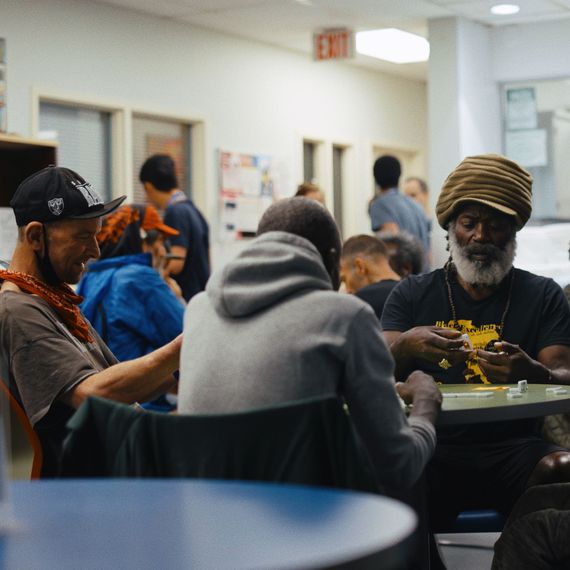
For people struggling with homelessness and substance use, finding a warm, safe space is difficult. Our Corner Drop-in provides immediate life-saving services including nutritious meals, daytime shelter, crisis counselling, washrooms and showers. People can also access long-term services like harm reduction, primary and mental health care, and referrals for critical services.
Creating awareness about HIV/AIDS is one of the biggest steps to prevent its spread. For people in our community, our HIV/AIDS Prevention and Support Program provides education, offers safe supplies of condoms and needles, and challenges stigmas in the community around HIV and AIDS, sexual health, and methods of prevention.
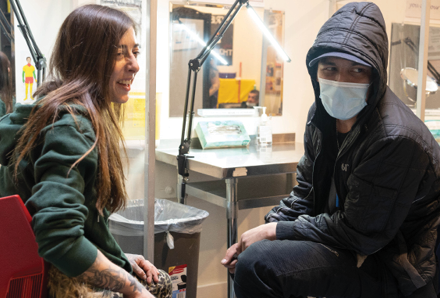
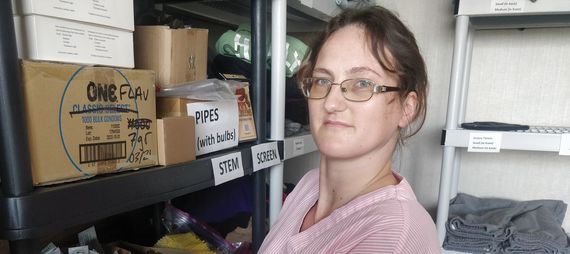
The Kensington Market Overdose Prevention Site saves lives. Since opening in 2019, the Site has provided a safe space for people to use substances. Trained staff respond to overdoses, provide harm reduction education and supplies, and connect people to healthcare, counselling and other essential services.
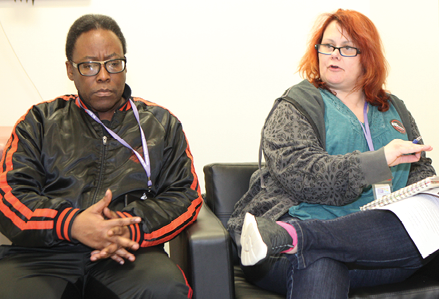
Join the fight for social change! That's what the Member Advocacy Committee (MAC) does. Consisting of people with lived experience of poverty, homelessness and disability, MAC support each member’s participation in civic engagement and social justice. Members lead meetings, decide what events and activities the group will undertake, and conduct community workshops.
Originally developed to provide harm reduction services to people isolating in COVID recovery hotels, the Mobile Shelter Support Program also offers case management, personal support, and follow-up services to people in shelters, encampments, and respite sites. Shelter staff and residents also learn how to respond to overdoses and other issues arising during the ongoing opioid crisis.
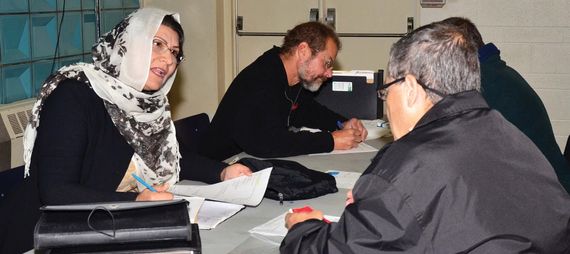
Without identification, accessing housing, health care, financial assistance, food banks, and employment are out of reach. Our Partners for Access and Identification (PAID) program helps people who are homeless apply for essential identification. With daily clinics across the city, PAID is accessible for people living on the street, in shelters, or in encampments.
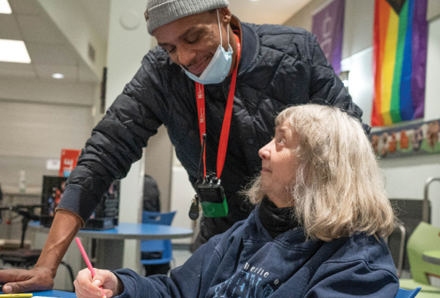
Through our social and recreational drop-in programs, community members come together to build meaningful connections, reduce social isolation and explore their own talents and strengths. Activities include outings to events and parks, art and music groups and our weekly Chill and Spill harm reduction discussion group.